Category guide6 min readSeptember 21, 2026
Virtual try-on for dresses: the category where fit is the whole sale.
Dresses are bought on how they look on the body and returned on how they fit it. Length, waist placement and drape cannot be read from a size chart. How rendered try-on and a size recommendation work on dresses, what to check, and what they cannot do yet.
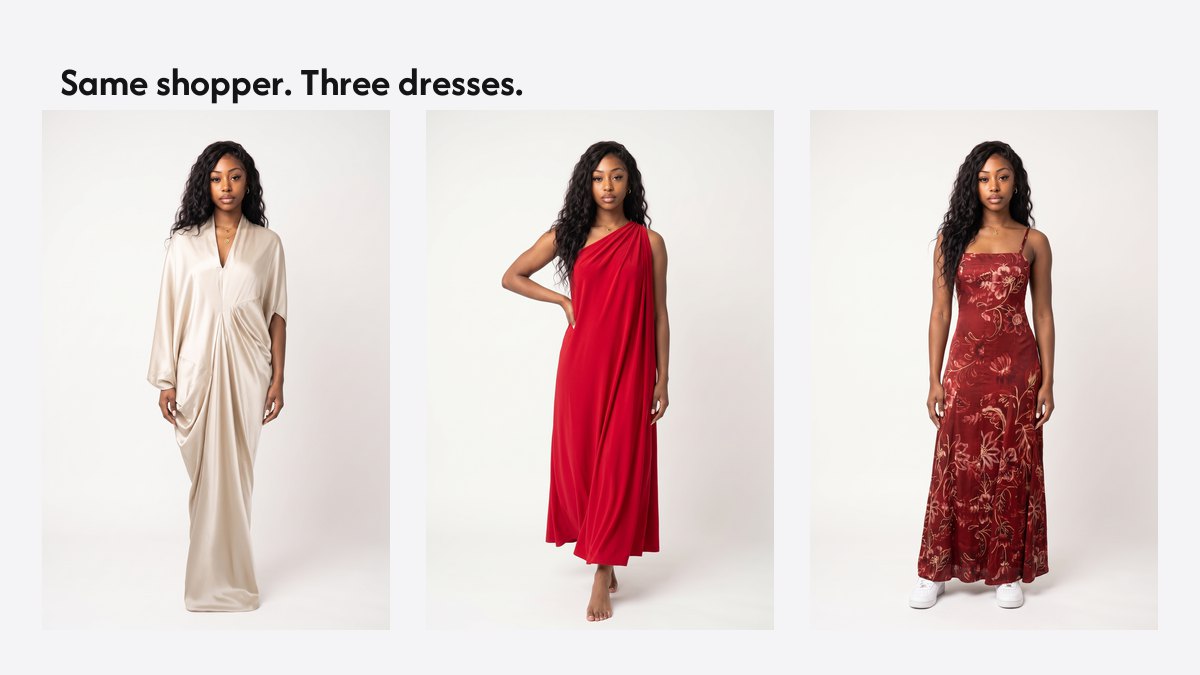
A dress is bought on how it looks on the body and returned on how it fits it. The two things a size chart cannot show, where the waist sits and where the hem falls, are the two things that decide whether it stays. That makes dresses the category where a picture on a model tells the shopper least, and the one where a picture on themselves tells them most.
Why dresses return
Ask a returns team and the reasons cluster. The waist sat too high or too low. The length was not what the model photo suggested, because the model is 178 cm and the shopper is 163. The fabric clung or stood off in a way the flat product shot did not show. And the size: a dress has a bust and a waist, and a shopper who is a 10 in one and a 12 in the other has to guess, so she orders both.
None of these is a chart problem. They are all “on my body” problems, and until recently the only way to answer them was the parcel.
What a rendered try-on shows
Garu takes one full-length photo, builds the shopper’s body from it, and renders the dress on that body. Three things become visible that were not:
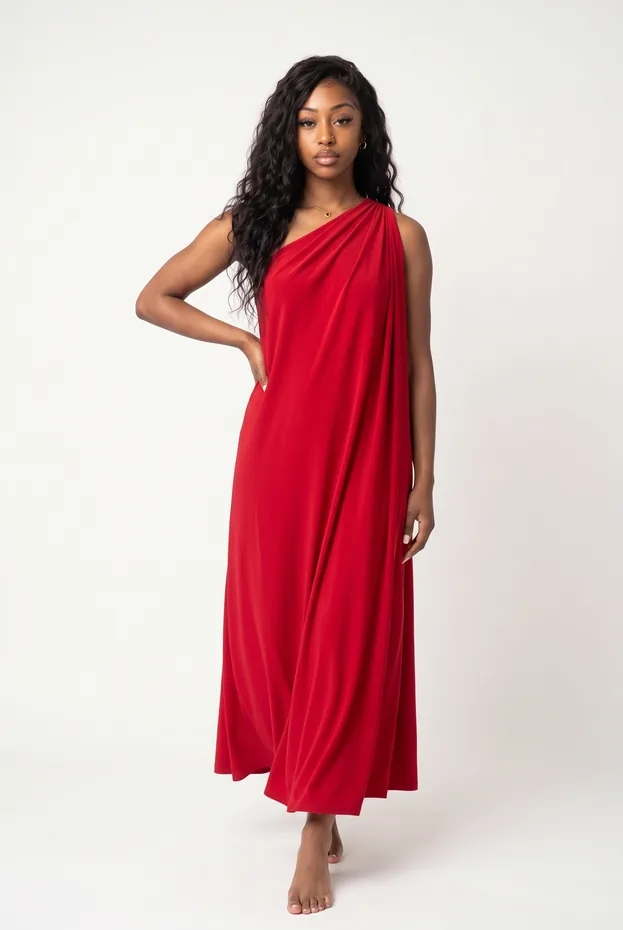
- Where the hem falls. The garment is scaled to the shopper’s proportions, so a midi that hits the model at the calf shows where it would hit them.
- Where the waist sits. An empire, natural or dropped waist lands in a different place on every body. The render shows which.
- How the fabric moves. A bias-cut slip, a structured crepe and a draped jersey behave differently on the same shape. A render drapes; an overlay does not.
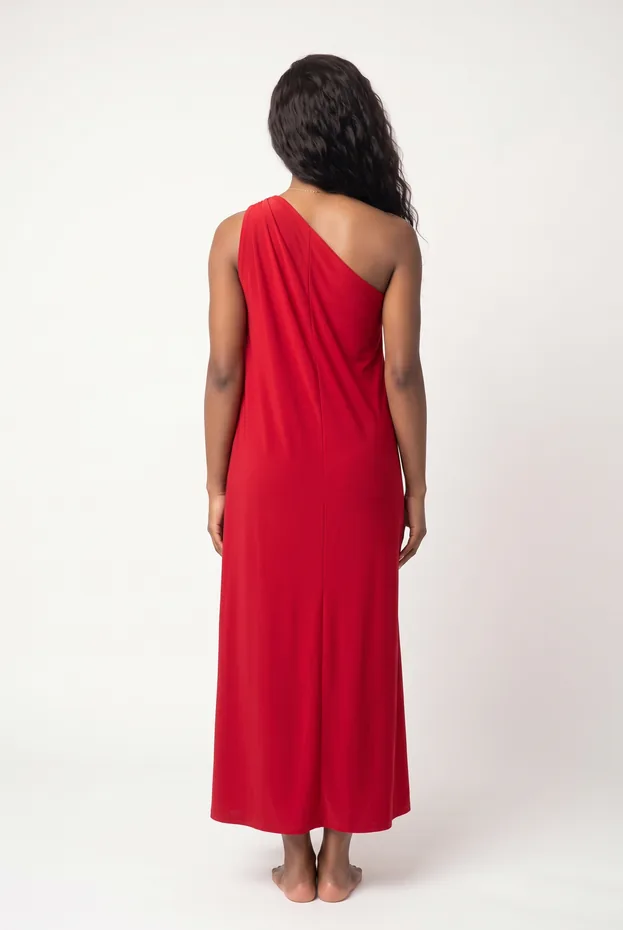
The back matters more on dresses than on any other category. Open backs, zips, the fall of a skirt from behind. Garu renders the back from the same photo on every plan.
The size call on a dress
A dress size is a bust and a waist decided together, which is why a chart is hard to use on it. Garu measures the shopper’s chest and waist from the photo and matches both against your chart for that dress, then returns one size and a fit note. For the shopper between sizes, the honest answer is to show her both. On Garu Plus each size is rendered as its own garment, so the 10 and the 12 hang differently on her body and she sees which she wants.
What to check before you enable it
- Charts with bust and waist per size. Length alone gives a recommendation nothing to work with.
- The model’s height on every dress. The render estimates the hem; the height in the fit note confirms it.
- A clean front product photo. The render reads the garment from your product image. A dress photographed mid-twirl gives it less to read than one shot straight on.
What it cannot do yet
A render shows how a dress hangs. It does not yet show how it feels to sit down in, or how a boned bodice will hold, and on a fitted gown the final size is still one to confirm with the store. What the try-on changes is that the shopper makes that call from a picture of herself in the dress, rather than by ordering two and returning one.
Questions merchants ask
Does virtual try-on work for dresses?
Yes, and it is the category where it matters most. A rendered try-on shows the dress on the shopper’s own body, so they can see where the hem falls, where the waist sits and how the fabric drapes, from the front and the back.
Can virtual try-on show dress length on my height?
A render built from the shopper’s photo scales the garment to their proportions, so a midi that hits the model at the calf shows where it would hit them. It is an estimate, and the model’s height in the fit note helps confirm it.
Can it show a dress in different sizes?
On Garu Plus, yes. Each size is rendered as its own garment, so an 8 and a 10 hang differently on the same body and the shopper can see which one they want, rather than being told.
What about occasion and bridal dresses?
Rendering works on gowns and formalwear; the renders on this page are of occasion dresses from Barcelona boutiques. The size decision on a fitted gown is still one to confirm with the store, and a try-on is the reason a shopper makes that call instead of ordering two.