Returns6 min readAugust 3, 2026
The real cost of a size-related return.
Fit doubt is the quiet tax on every apparel order. Here is what a single size-related return actually costs a Shopify store, and the three things that measurably reduce them.
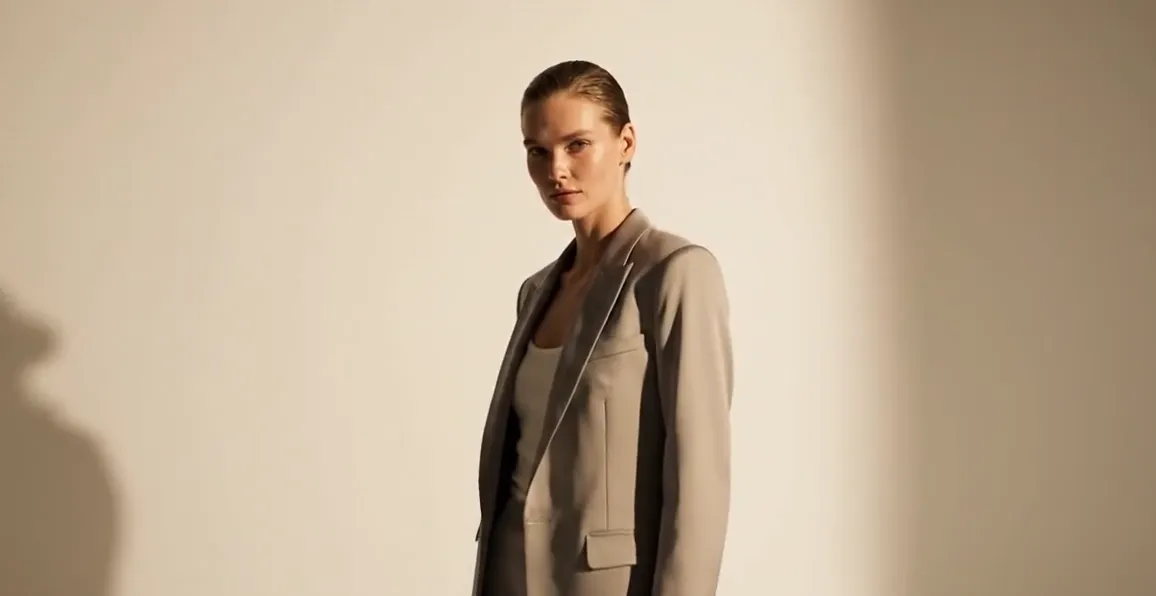
Every apparel return starts in the same place: a product page that couldn't answer a question. The shopper liked the piece. They liked the price. What they couldn't know was how it would sit on their shoulders, where the hem would land, whether the M runs like the M they wear elsewhere. So they guessed — or they bought two sizes intending to send one back.
Industry surveys consistently put fit and size at the top of the reasons fashion comes back — commonly around 42% of fashion returns. Whatever the exact figure is for your store, it's the single largest cluster of returns you have, and the most preventable one.
What one return actually costs
The refund is the visible part. The rest of the iceberg is operational:
- Shipping, twice. You paid to send it out; you pay (or your customer resents paying) to bring it back.
- Processing labour. Receiving, inspecting, re-tagging, re-bagging. For most small teams this is founder time.
- Lost sellability. A meaningful share of returned apparel never resells at full price — it comes back off-season, shopworn, or too late.
- The margin math. Reverse-logistics studies regularly estimate the total cost of processing a return at 20–30% of the order's value. On a $120 order, that's the entire profit — and then some.
- The relationship. A shopper whose first order fit badly converts worse forever after. Fit doubt compounds.
Why the size chart hasn't fixed it
Size charts assume two things that are rarely true: that the shopper owns a measuring tape, and that your M means what every other brand's M means. Neither holds. Shoppers don't measure themselves — they reason from brands they already wear. And cross-brand sizing is inconsistent enough that "true to size" has become a question shoppers ask reviews to settle.
The size chart describes the garment. The shopper is asking about themselves.
That gap — between garment data and personal fit — is exactly where the doubt lives. Closing it takes something the chart can't do: an answer in the shopper's own terms.
What measurably moves the number
Three interventions work, and they work best together, at the moment of decision — on the product page, not after checkout:
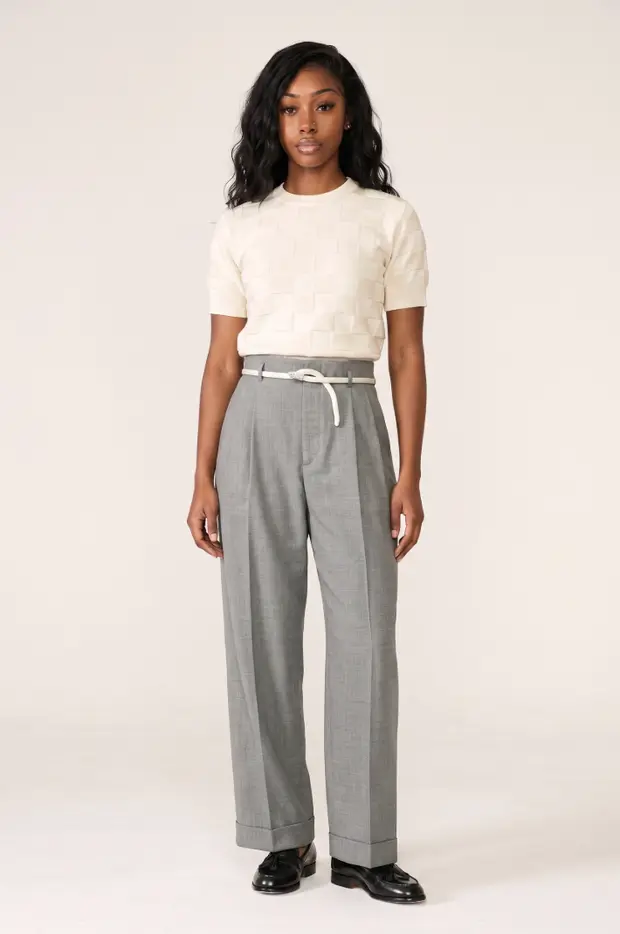
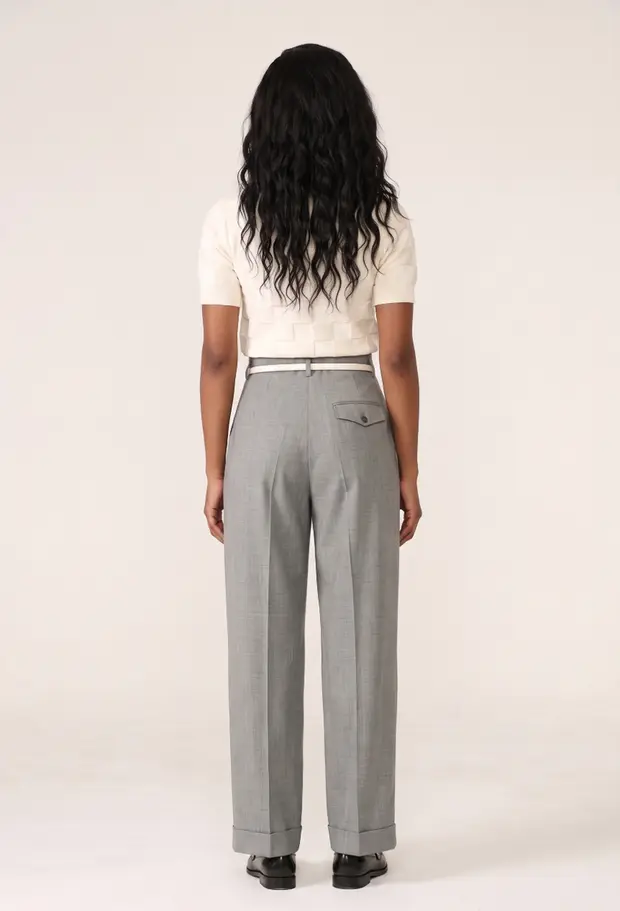
- Show the garment on the shopper's body. A photoreal render from one photo replaces imagination with evidence. The back view matters more than most merchants expect — drape, seat, and hem behaviour are where surprises hide.
- Recommend the size, don't ask for measurements. Height, weight, and body shape take thirty seconds to give and are enough to map a shopper to your chart with a confidence score attached.
- Stay inside the purchase flow. If the answer takes minutes or a separate app, shoppers skip it. Renders in 10–15 seconds keep the fitting room inside the buying moment.
A practical checklist
Before you add any tooling, get the baseline:
- Pull six months of return reasons. Tag everything that's actually fit ("too small", "looked different on") — most stores undercount it.
- Find your worst offenders. Fit-driven returns concentrate in a handful of categories — usually outerwear, denim, and anything tailored. Start there.
- Make size guidance interactive, not a static chart link below the fold.
- Measure add-to-cart rate for shoppers who engage with fit tooling versus those who don't — that delta is your business case, in your own data.
Where Garu fits
Garu puts a fitting room on your Shopify product pages: shoppers upload one photo, see the piece on their own body from the front and the back, and get a size recommendation built from a thirty-second profile. It installs from the Shopify App Store in about ten minutes, with no theme code, and every plan starts with a 14-day free trial.


The honest version of this pitch is the product itself — the demo store runs Garu end to end, and every render on our site came out of it.