Playbook8 min readSeptember 17, 2026
The best way to cut returns and lift conversion at once.
Returns and conversion look like two problems. On an apparel product page they are the same one: doubt at the moment of decision. What actually moves both numbers, ranked, with the things that do not.
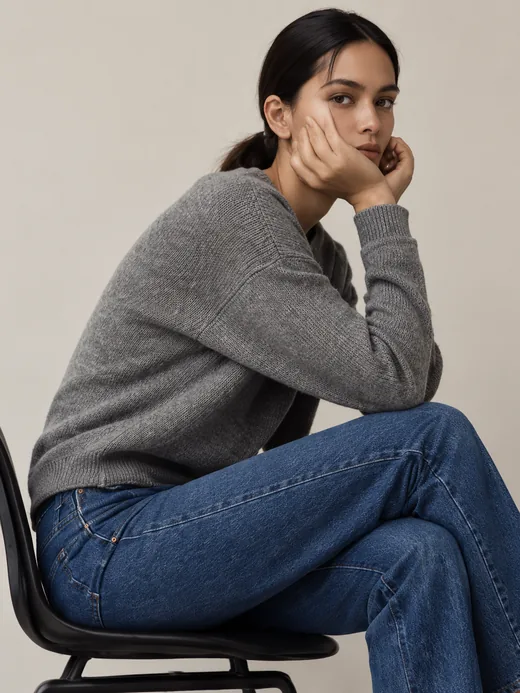
Most stores treat these as two projects. A conversion project buys better photography, faster pages and a discount popup. A returns project rewrites the policy and adds a size chart. Both underperform, because on an apparel product page the two numbers are driven by the same thing: a shopper who is not sure how the piece will look and fit on them.
The unsure shopper does one of two things. They leave, and you record it as a conversion problem. Or they order two sizes intending to send one back, and you record it as a returns problem. Same doubt, two different line items.
First, find out where your doubt lives
Before buying anything, spend an afternoon on your own data. It is the cheapest work on this list and it decides everything after it.
- Pull six months of return reasons and tag everything that is really fit: "too small", "too big", "looked different on me", "not as pictured". Most stores undercount this badly, because the drop-down does not have the right option and shoppers pick the closest one.
- Rank your categories by return rate, not by volume. Fit-driven returns concentrate: denim, outerwear, tailoring, anything fitted or structured.
- Find your bracketing rate — orders containing two sizes of the same style. That number is pure fit doubt, measured, with no interpretation needed.
- Check your product-page exit rate on those same categories. If it is high where returns are high, you have confirmed one problem, not two.
What actually moves both numbers
Ranked by what we see move first, and all of it belongs on the product page, before the add to cart, not in a post-purchase email.
- Show the garment on the shopper. One photo in, a photoreal render out. This replaces imagination with evidence and is the single biggest change, because it answers the question the model shot cannot: how it looks on this body.
- Answer the size, do not ask for measurements. Nobody owns a tape measure. Chest, waist and inseam collected in about thirty seconds, matched against your own chart, returning one size with a fit note — girth, not height and weight.
- Let them compare sizes. The between-sizes shopper is the one who brackets. Showing the same piece in S, M and L on their body, front and back, is the fitting-room moment, and it is the intervention aimed squarely at the bracketing number you measured above.
- Show the back. Drape, seat and hem are where fit surprises hide. A front-facing crop hides exactly the information that causes the return.
- Keep it inside the flow. If the answer takes a separate app or two minutes, shoppers skip it and you have bought nothing.
What does not move them, in our experience
- A better size chart. Worth having, and tidy charts are the cheapest hygiene you can buy — but charts have had two decades to fix this. They describe the garment while the shopper is asking about themselves.
- More model photography. Another angle on a sample-size model adds aspiration, not evidence.
- A more generous returns policy. It lifts conversion and raises returns. That is a real trade, sometimes a good one, but it is not a fix — it moves the cost rather than removing it.
- Post-purchase size emails. The decision has already been made. You are now paying shipping to correct it.
Measure it properly
Enable on the ten worst pages you found, leave the rest alone, and run it for a full return window — six to eight weeks, not two. Then compare two numbers between shoppers who used the tool and shoppers who did not: add-to-cart rate, and size-related return rate on those products. Anything shorter measures the novelty, not the effect.
Two cautions on reading the result. Returns lag the order by weeks, so an early read always flatters you. And the shoppers who choose to try on are more engaged to begin with, so expect the add-to-cart gap to overstate the causal effect — the return-rate change is the harder, more honest number.
What this costs
Reverse-logistics studies put the all-in cost of processing a return at 20 to 30% of the order value, and roughly 42% of fashion returns are size-related. On a $120 order that is the whole margin. Against that, try-on tooling runs from about $20 a month for a picture to $199 for a render with a size attached — the per-image maths is here. One prevented return a month covers the cheap end. A handful covers the serious end.