Sizing5 min readSeptember 16, 2026
What “true to size” actually means.
“True to size” is the most common phrase in fashion reviews and the least useful. Here is what it hides, and what a size recommendation has to do instead.
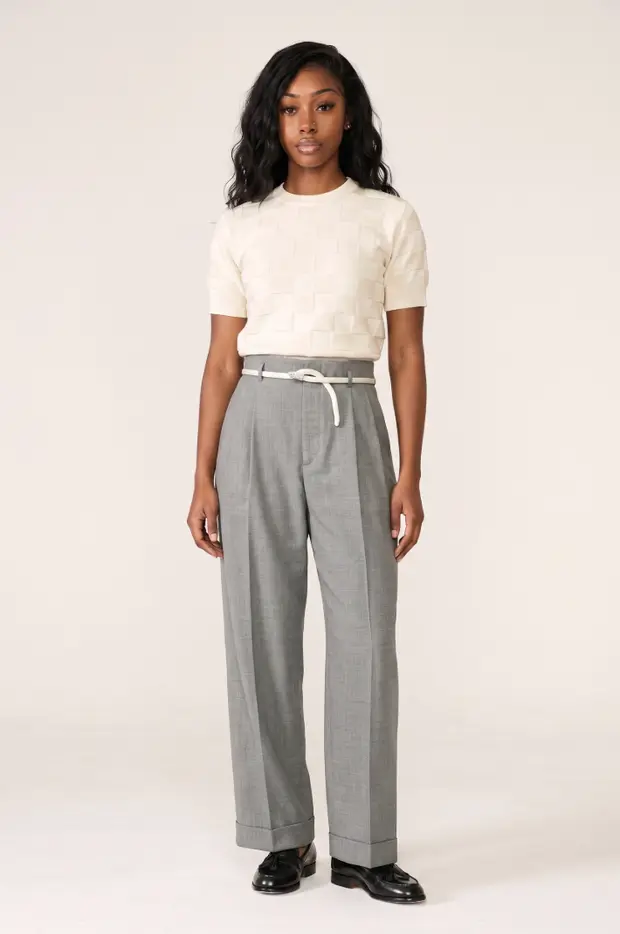
Open any fashion review section and the same three words carry most of the weight: true to size. Shoppers lean on them because size charts don’t answer the real question, which is not “what are this garment’s measurements” but “which one do I order”.
The trouble is that “true to size” compares a garment to an average that doesn’t exist. Your M is not another brand’s M. A relaxed knit and a tailored shirt can share a label and fit nothing alike. So the phrase tells a shopper that the garment is consistent with itself, which they already assumed, and nothing about their body.
What a recommendation has to do instead
- Start from the shopper, not the label. Chest, waist and inseam are the numbers that decide whether a piece fits. Height and weight alone can’t, because two people at the same height and weight are shaped differently.
- Use this garment’s chart. The brand’s own measurements for this piece, not a generic body table.
- Say where it sits. A letter is not enough. “S, snug through the chest” or “M, longer at the hem” is what a shop assistant would say, and it is what changes a return into a keep.
- Admit “between sizes”. When the honest answer is a toss-up, say so and show the difference rather than asserting one.
How Garu reads “true to size”
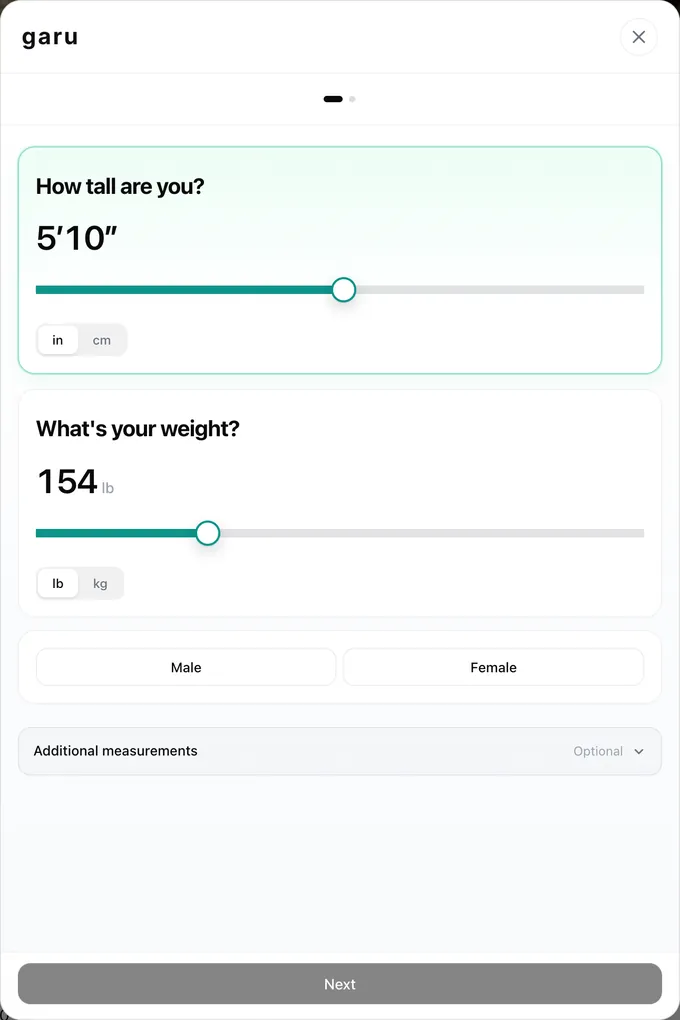
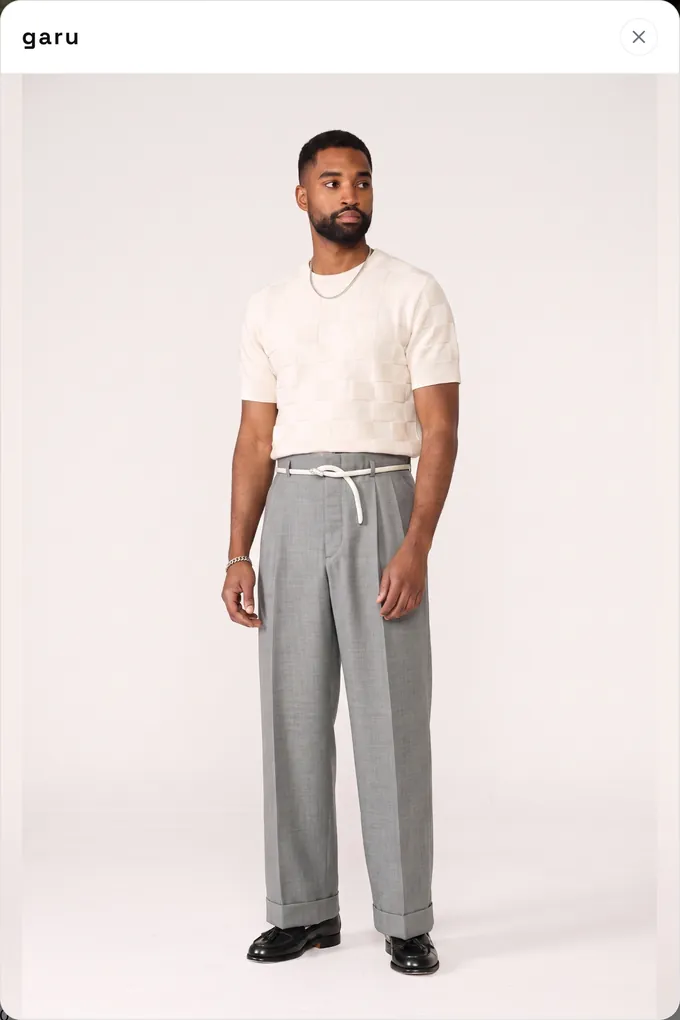
In Garu, “true to size” is an output, not an input. We build a body from the shopper’s measurements, match it against the garment’s own chart, and return one size with a fit note. If that size lands in the middle of the garment’s tolerance, the note reads true to size. If it doesn’t, the note says what to expect instead. Then the render shows it, front and back, so the shopper can see the note rather than take it on trust.
That is the whole difference between a phrase in a review and a recommendation on a product page: one describes the garment, the other describes the garment on you.